
For Educational Reference Only

Next-Gen Bioregulator Formulations no Barrier-Disrupting Methods, No Compromise

Most formulations rely on absorption enhancers to force uptake placing stress on the intestinal barrier and the compound itself. We avoid that path designing the formulation to minimize those tradeoffs from the start.

For Educational Reference Only

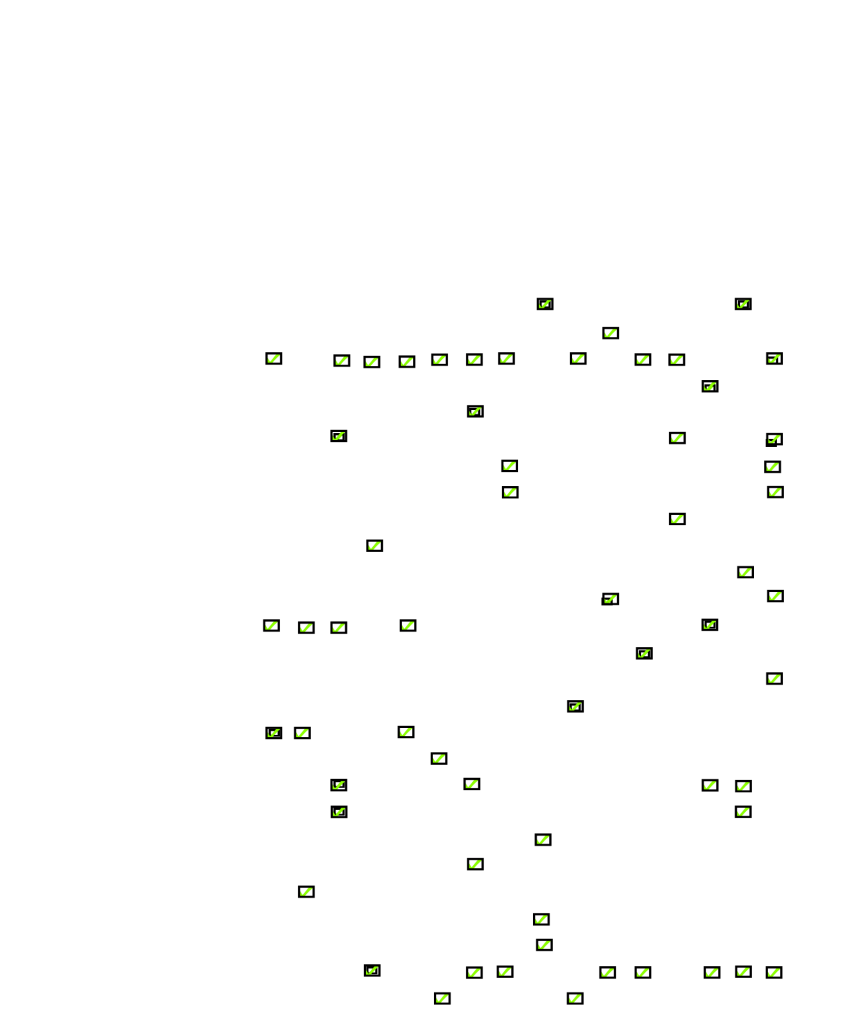
Bioregulator Categories and Areas of Study

This chart provides a high-level overview of how different peptide bioregulators are commonly categorized in relation to broad biological systems and areas of research interest. The groupings reflect structural and compositional associations rather than therapeutic applications, and are intended to help organize products within a functional framework. Checkmarks indicate general alignment with a given system based on formulation characteristics and historical research context. This information is provided for educational and classification purposes only and is not intended to suggest use for any specific health condition, outcome, or physiological effect.

What Doctors and Patients Alike Can Expect From Bioregulator Expert

We look forward to making a difference in the lives of doctors and patients

Rest easy knowing your meds are safe to use

Third party tested throughout the entire manufacturing lifecycle to ensure potency and safety.

Give Your Practice the upperhand

Be at the forefront of medical research and peptides. Join us and grow your practice.

Give your health the advantage others wish they had

Target any organ with the 21 identified peptides with gene switching abilities.

Peptide Bioregulators: From Soviet Research to Modern Science

1

1970s–1980s — Early Soviet Research

Vladimir Khavinson and colleagues began studying short-chain peptides in controlled laboratory environments. Early work focused on isolating ultra-short peptides, typically composed of 2–4 amino acids, and observing how they behaved under specific physiological conditions.

2

1980s–1990s — Expansion of Peptide Research

Methods were advanced to study peptide activity at the cellular level. This period explored cellular interaction, biological signaling pathways, and tissue-specific peptide activity, helping establish the foundation for broader scientific interest.

3

1990s–2000s — Global Scientific Exposure

As research became more accessible internationally, peptide bioregulator studies entered broader scientific discussion. Translation, publication, and international collaboration helped expand awareness of Khavinson’s contribution to peptide research.

4

2000s–Present — Ongoing Scientific Investigation

Modern research continues to explore short peptides in the context of cellular communication, molecular-level interactions, and the structure and behavior of peptide compounds within biological systems. This remains an active area of scientific study.

5

Present Day — Scientific Context & Considerations

Peptide bioregulators remain an area of ongoing research. Findings are context-specific, safety and long-term effects continue to be studied, and these compounds are not approved to diagnose, treat, cure, or prevent any disease.

6

Summary — Khavinson’s Lasting Research Legacy

The work of Vladimir Khavinson helped establish peptide bioregulators as a field of scientific inquiry. His early research continues to influence how short-chain peptides are studied today, particularly in cellular and molecular biology.